

If you’re running a small business, chances are you’re already using the cloud - whether that’s email, file storage, accounting software, or backups. But let’s be honest: handing over your data to “someone else’s server” can feel a bit unsettling.
You might be wondering: Is my data actually safe? Who can access it? What happens if something goes wrong?
The good news is that cloud services can be very secure - often far more than an in-house setup - if they’re configured and managed properly. This guide will walk you through what “safe” really means in the cloud, what to check, and how to get peace of mind.
The Problem / Pain Point
Many UK small businesses move to the cloud for convenience, but security often becomes an afterthought.
Here’s what we commonly see:
- Weak passwords or reused logins
- No multi-factor authentication (that extra code step)
- Staff accidentally sharing files with the wrong people
- No clear backup or recovery plan
- Assuming “the provider handles everything”
That last one is key. Cloud providers like Microsoft (Microsoft 365) or Google (Google Workspace) do a lot, but they don’t cover everything.
This is called the shared responsibility model - and it’s where many businesses get caught out.
Helpful Information / Solutions
What Does “Safe in the Cloud” Actually Mean?
Data safety isn’t just one thing. It’s a mix of:
- Security – keeping hackers out
- Access control – only the right people can see/edit data
- Backup & recovery – you can restore data if it’s lost
- Compliance – meeting UK GDPR requirements
- Monitoring – spotting issues early
Let’s break down how to check each one.
1. Check Your Access Controls
Who has access to what - and should they?
Quick checklist:
- Every user has their own login (no shared accounts)
- Multi-factor authentication (MFA) is switched on
- Staff only access what they need (not everything)
- Old employee accounts are removed promptly
Simple rule: If someone leaves your business, their access should go the same day.
2. Look at Where Your Data Lives

Reputable providers store data in highly secure data centres with:
- 24/7 monitoring
- Physical security (guards, biometric access)
- Fire suppression systems
- Redundant power and backups
For UK businesses, it’s worth checking:
- Is your data stored in the UK or EU?
- Does the provider comply with UK GDPR?
Most major platforms (like Microsoft and Google) tick these boxes - but it’s still worth confirming.
3. Understand Backup (This Is a Big One)
Here’s a common myth:
“My data is in the cloud, so it’s automatically backed up.”
Not quite.
Cloud providers protect their systems - but you’re still responsible for your data.
That means:
- If a file is deleted, it may only be recoverable for a limited time
- If ransomware (malicious software that locks your files) hits, it can sync across the cloud
- Accidental overwrites can be permanent
Best practice:
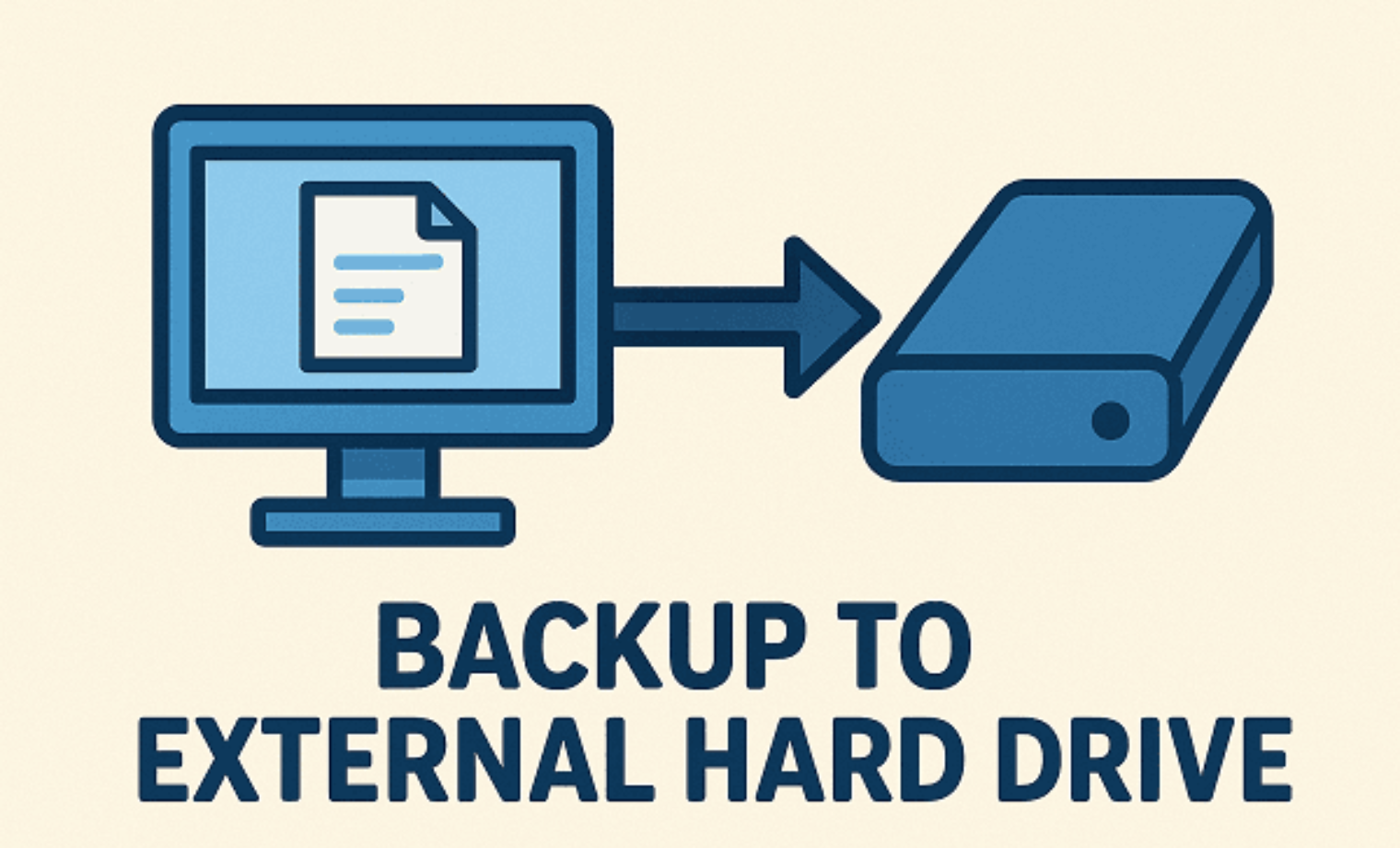
- Use a separate cloud backup solution
- Test restores regularly
- Keep version history where possible
4. Check Encryption (Without the Jargon)
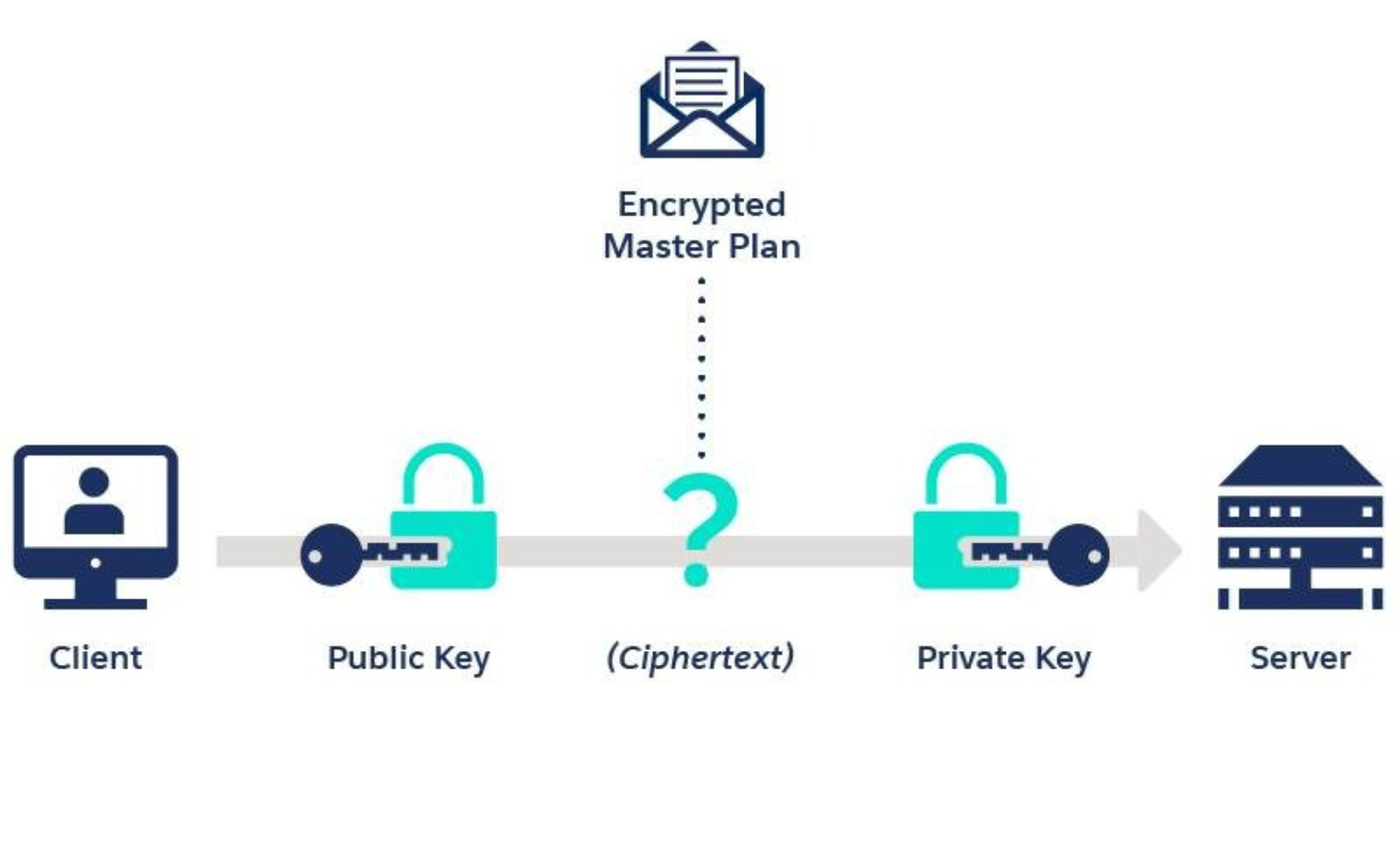
Encryption simply means your data is scrambled so only authorised users can read it.
You want:
- Encryption in transit – when data is moving
- Encryption at rest – when data is stored
Most modern platforms include this by default - but if you’re unsure, it’s worth asking your provider or IT partner.
5. Monitor and Respond to Threats
Security isn’t “set and forget”.
You need visibility:
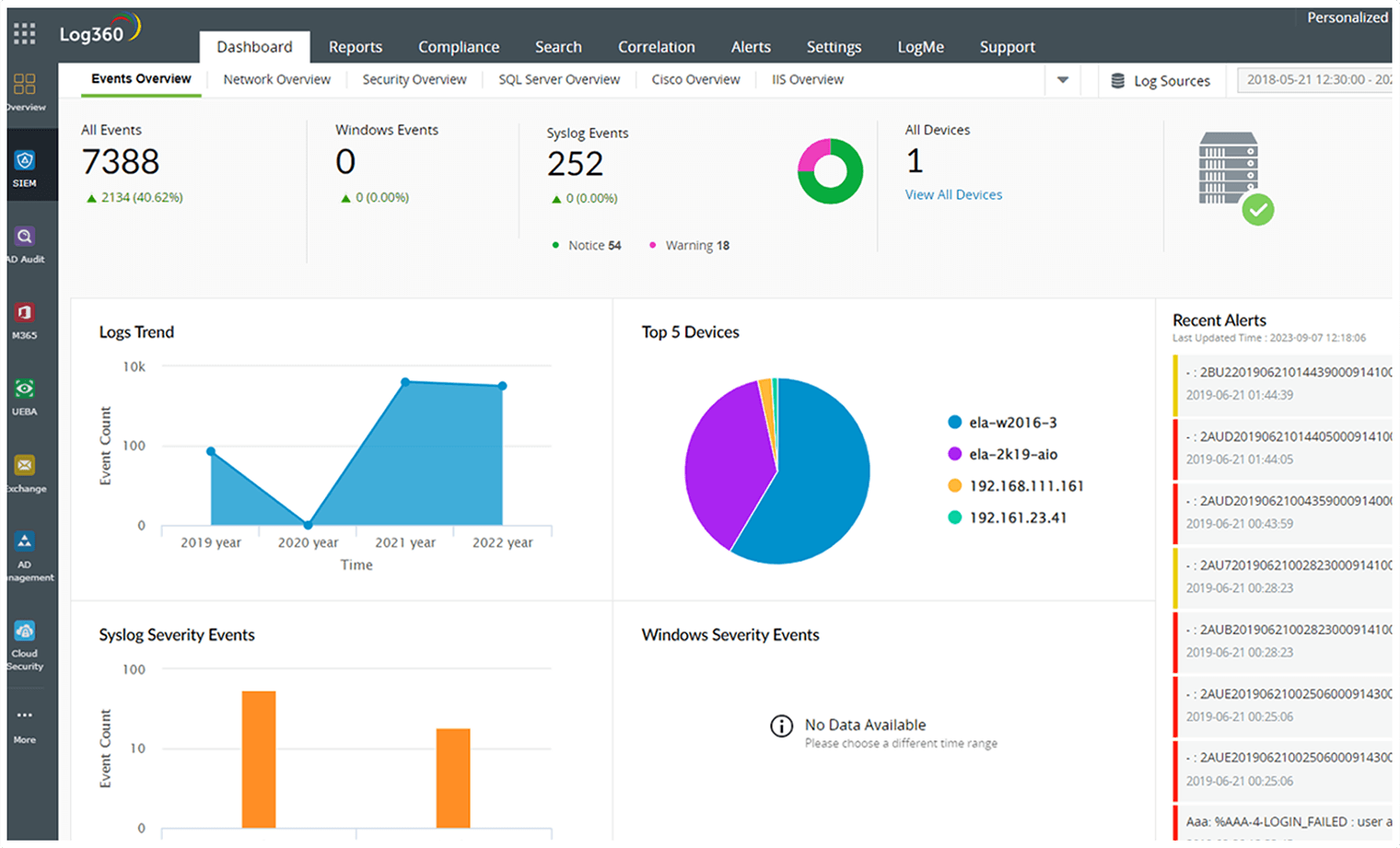
- Alerts for suspicious logins
- Reports on unusual activity
- Ability to lock accounts quickly
This is where proactive monitoring comes in - spotting problems before they become serious.
Examples / Analogies / Stats
Think of cloud security like a modern office building:
- The provider supplies the building, locks, alarms, and CCTV
- You decide who gets a key, which rooms they can enter, and how documents are stored
If you leave the door open (weak passwords), it’s not the building’s fault.
Some useful context:
- A large percentage of breaches come from human error (industry reports consistently highlight this)
- MFA can block the vast majority of basic account attacks
- Small businesses are frequent targets because they’re often easier to access
Benefits (Why It Matters Now)
Getting your cloud security sorted isn’t just about avoiding problems - it brings real business benefits:
- Less downtime – fewer disruptions
- Better client trust – especially if you handle sensitive data
- Compliance confidence – important for UK regulations
- Peace of mind – you’re not worrying about “what if”
With cyber threats on the rise, being proactive is no longer optional - it’s essential.
Actionable Tips (Do-Now Items)
If you only do a few things this week, start here:
- Turn on MFA for all users
- Review who has access to what
- Remove any unused accounts
- Check your backup solution (don’t assume)
- Run a quick security check with your IT provider
These are quick wins that make a big difference.
The Bottom Line
Cloud systems can be incredibly secure - but only when they’re properly set up and maintained.
The key is understanding your role in keeping data safe and putting a few straightforward safeguards in place. No jargon, no over complication - just practical steps that reduce risk and keep your business running smoothly.
Not sure if your setup is secure?
Got a question? Get in touch and we’ll get you sorted. We can review your current setup and highlight quick wins to improve your security - no pressure, just clear advice.


